
conflict mediation
Resolve your conflict.
Why conflict mediation?
Find a way forward when things become difficult.
Conversations go in circles. Decisions are delayed. Colleagues stop speaking openly, or stop speaking to each other altogether. As a leader or HR professional, you may find yourself repeatedly stepping in while the underlying tensions remain unresolved.
Workplace conflict takes time, attention and energy away from the work that matters. It can put relationships under strain, disrupt projects and make valuable people question whether they want to stay.
Mediation creates space to address what is keeping people stuck. With professional support, those involved can clarify their perspectives, understand the interests behind opposing positions and develop practical agreements for what happens next.
The aim is to establish a workable basis for moving forward: clearer expectations, more reliable communication and decisions people can take responsibility for. Investing in conflict resolution can help you regain management capacity, protect working relationships and reduce the disruption caused by recurring tensions.
What are possible mediation formats?
Support that fits the people and the conflict.

Mediation between colleagues
A structured process for two people whose working relationship has become difficult. Clarify what has happened, address differing expectations and agree how to work together in the future.

Mediation between leader & team member
Support when tensions involve feedback, performance expectations, responsibilities or leadership behaviour. Particular attention is paid to the different roles and the conditions needed for an open conversation.

Team conflict
mediation
A process for teams experiencing recurring friction, entrenched divisions or loss of trust. Individual preparatory conversations can lead into joint sessions focused on the issues affecting cooperation.

Mediation across
teams or departments
Facilitated dialogue where conflicting priorities between teams are disrupting collaboration. Develop agreements on responsibilities, communication and decision-making across boundaries.
How does mediation work?
A clear process. Space for every perspective. Solutions people own.
As a mediator, I guide difficult conversations with structure, curiosity and attention to what matters to everyone involved. I actively support all participants in expressing their perspectives and understanding one another. The decisions remain with the participants.
My approach combines mediation with a systemic view. Alongside individual concerns, we explore the context of the conflict: unclear responsibilities, competing objectives, organisational change or patterns of communication that keep tensions alive.
Through careful questioning, active listening and perspective-taking, I help participants articulate their concerns and express what they need. Attention to emotions and needs helps us understand why an issue matters and what a workable agreement must take into account.
Before we begin, we clarify the purpose, participants, confidentiality and conditions for voluntary participation. Where HR or management commissions the process, we also agree what information can be shared with them. From there, we work towards specific agreements, responsibilities and a way to review progress.
Who is your mediator?
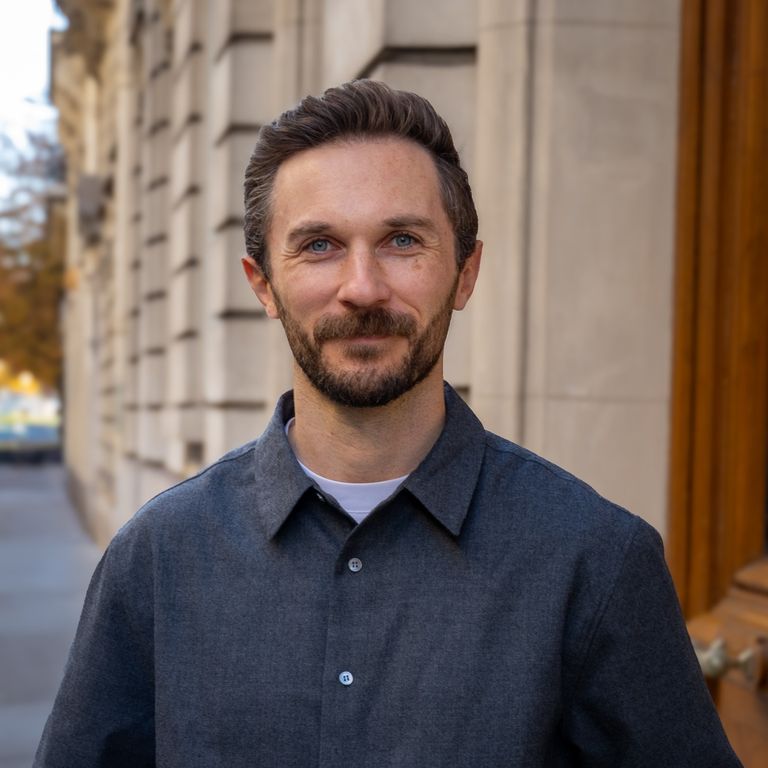
My name is Paul Emtsev. I am a certified mediator trained at the Heidelberger Institut für Mediation (HIM), a member of the mediator’s trainer team at HIM as well as a lecturer in mediation at the University of Heidelberg. My mediation philosophy is straightforward: empower people in conflict to develop their own solutions.
My studies at LMU Munich, Université de Montréal, University College London and Higher School of Economics Moscow focused on conflict research and international cooperation. Since then, my work as a mediator is not only influenced by practical experience, but also by a strong interest in the scientific foundations of organisational mediation, negotiation and dialogue processes.
As a German-French professional working internationally, I bring particular experience of conflict mediation across languages, borders and cultural contexts. I work in English, French, German, Italian and Russian.
Resolve your conflict.
Let’s discuss what is happening and whether mediation could help.
